
Views: 1025 Author: Orient Scaffolding Publish Time: 2026-04-11 Origin: Orient Scaffolding Research

Two recent enforcement actions by WorkSafe Victoria have sent a strong message to the Australian construction industry: scaffold safety failures will result in serious consequences. A residential construction company has been convicted and fined $40,000, while another company is facing criminal charges after a worker suffered life-changing injuries.
A 28-year-old worker was standing on an A-frame ladder attempting to cut a tree branch with a chainsaw when he fell almost four metres to the ground in March 2024. The worker suffered serious head and spinal injuries. The company, IntraAust Properties, now faces four charges under the Occupational Health and Safety Act for failing to provide a safe working environment.
WorkSafe alleges the company failed to engage a qualified specialist, failed to provide a temporary work platform, and failed to use passive fall prevention devices. The matter is before Melbourne Magistrates’ Court.
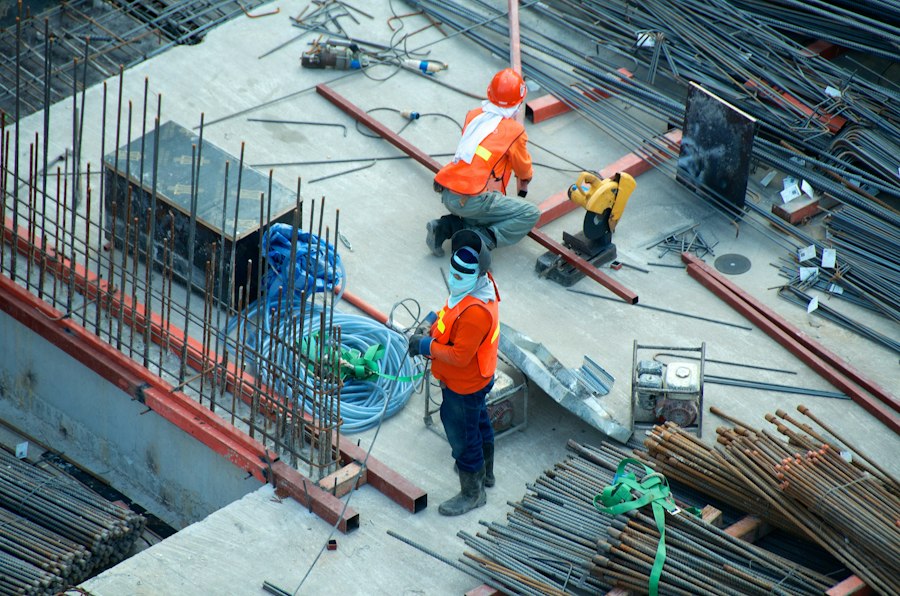
Falls from height remain the leading cause of death and serious injury on Australian construction sites. The penalties for non-compliance are escalating across all states and territories.
| State | On-the-Spot Fine (Business) | Court Penalty Range |
|---|---|---|
| NSW | Up to $3,600 | Up to $600,000+ |
| Victoria | Varies | $40,000 – $350,000+ |
| Queensland | Up to $4,003 | Up to $500,000+ |
| Penalties vary by jurisdiction and severity. Serious offences can result in criminal prosecution. | ||
1. Licensed scaffolders only. Any scaffold presenting a fall risk of more than 4 metres is classified as high-risk work and must be erected, altered, and dismantled only by licensed scaffolders.
2. Written handover certificates. Before any scaffold over 4 metres is used, written confirmation from a competent person must be obtained and kept on site.
3. Regular inspections. Scaffolds must be inspected at least every 30 days (SAA now recommends every 14 days), and daily visual checks should be documented.
4. Complete platforms. All guardrails, mid-rails, toeboards, and planking must be in place. Incomplete scaffolds must not be used and must be clearly signed.
5. Certified components. All scaffold components must comply with AS/NZS 1576 and AS/NZS 1577 standards. Using substandard or uncertified components creates both safety and legal liability.
Remember: The cost of proper scaffolding is always less than the cost of a single workplace injury — in human terms, financial penalties, project delays, and reputational damage.
Don’t Risk It — Use Certified Scaffolding
All Orient Scaffolding products meet AS/NZS 1576, BS 1139, and EN 74 standards with full traceability and compliance documentation.
Contact Us →


